
So by this point, I bet you’re dying to know what equipment I use to bake bread!
After many hours and numerous failures, I’ve managed to narrow what I use to the following…….
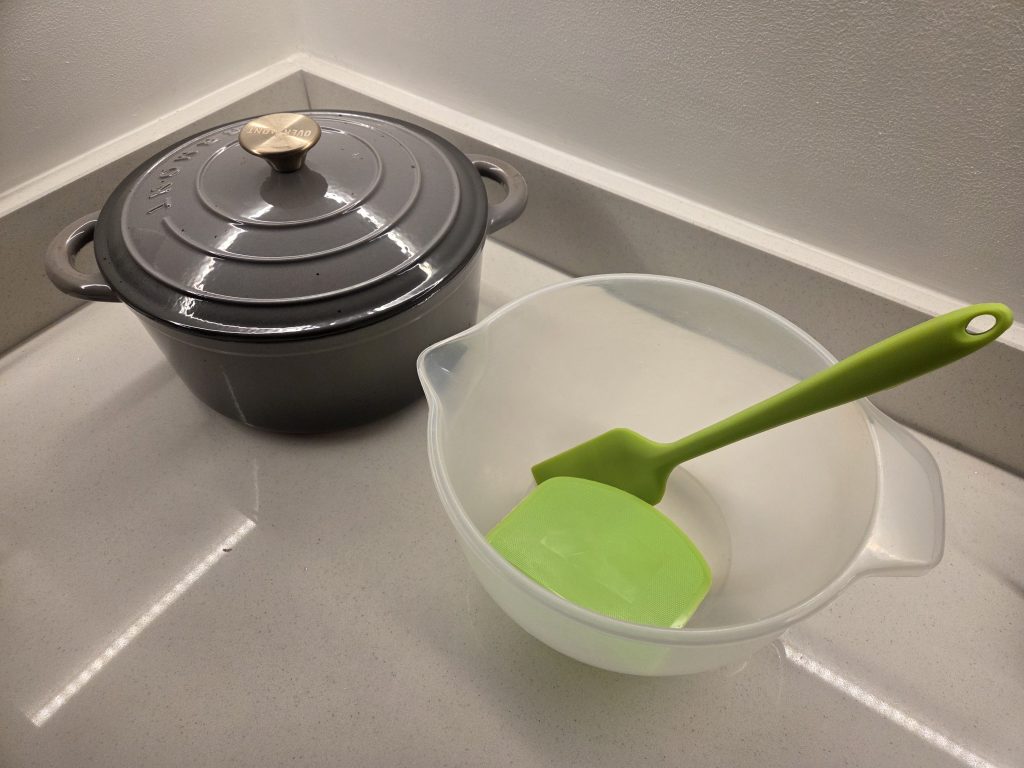
As you can see, it’s a complex setup that has a high barrier for entry.
Seriously though, you don’t need to spend a fortune in order to make tasty bread.
When I first tried making no-knead dough, I didn’t have the cast-iron pot (or Dutch oven as it’s commonly referred to). Instead I used an upside-down handle-less pan, to mixed success. I never quite managed to achieve a decent oven spring, although having played around different aspects of the baking process, the oven may not have been hot enough to create the right environment.
Quote honestly, any bowl will do to mix and prove the dough. As you can see I just use a cheap plastic one. We do have a ceramic bowl but I use the plastic for the convenience of weight and cleaning.
The silicone spatula we happened to have knocking around when I started. I do find it very good for mixing but what makes it useful is that the dough scrapes off easily on the side of the bowl, meaning you keep as much mixture as possible. I’ve never tried a wooden spoon. I’m sure it would work. As would any spoon. You can even just use your hands to mix, although given how sticky the dough gets, be prepared to spend some time teasing it from your fingers.
The scraper is something I highly recommend. That small bit of flexible plastic is a god-send for getting all of your dough out of the bowl for shaping. I also use it for the initial shaping. I think I bought a pack of three for a few pounds.
Finally, the Dutch Oven. Or casserole dish as I always knew them. That is the most expensive item I use. I purchased it from a well known, worldwide, rocket making, online retailer (you know the one, named after a rainforest in South America). That one is about 5.2 litres, or 5.5 quarts for my American cousins, and didn’t exactly break the bank. At the time, I think it was around £40. I’m sure you can get others cheaper.
The only other think you will need is a set of scales and you’re good to go. The only other thing I use is parchment paper to line the Dutch Oven. I do this to stop the dough initially sticking to it, however I have never tried not using it. To that end, I’m not exactly sure how it affects the bread. Maybe I’ll try with the parchment paper at some point and see what happens.
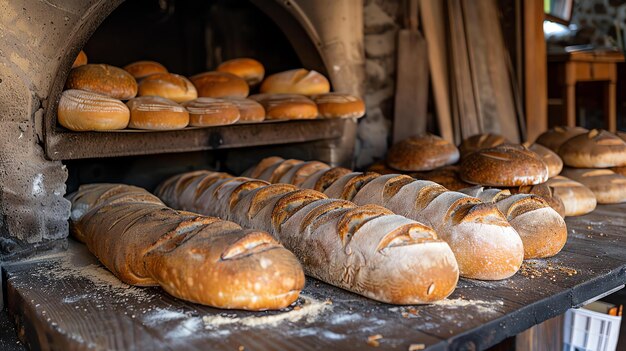
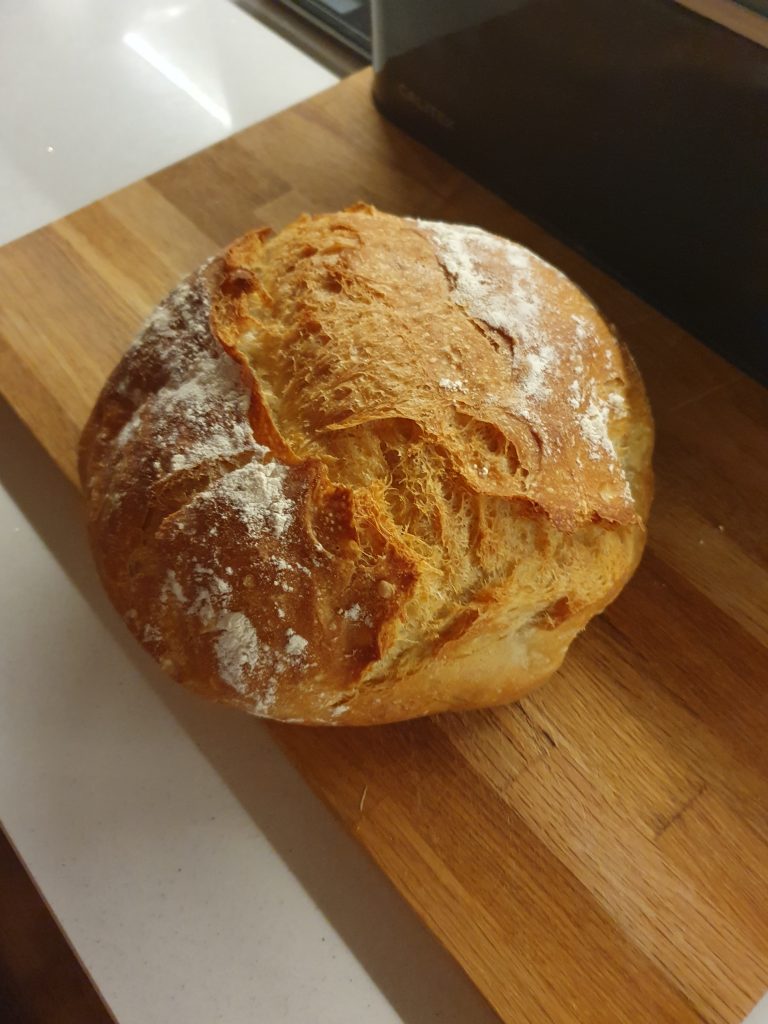
In the meantime, below are a couple of photos of my more recent efforts. It really is easy to achieve something that looks and tastes great. That being said, never be disheartened if it doesn’t turn out as you would like it to. Eat the result then try again!
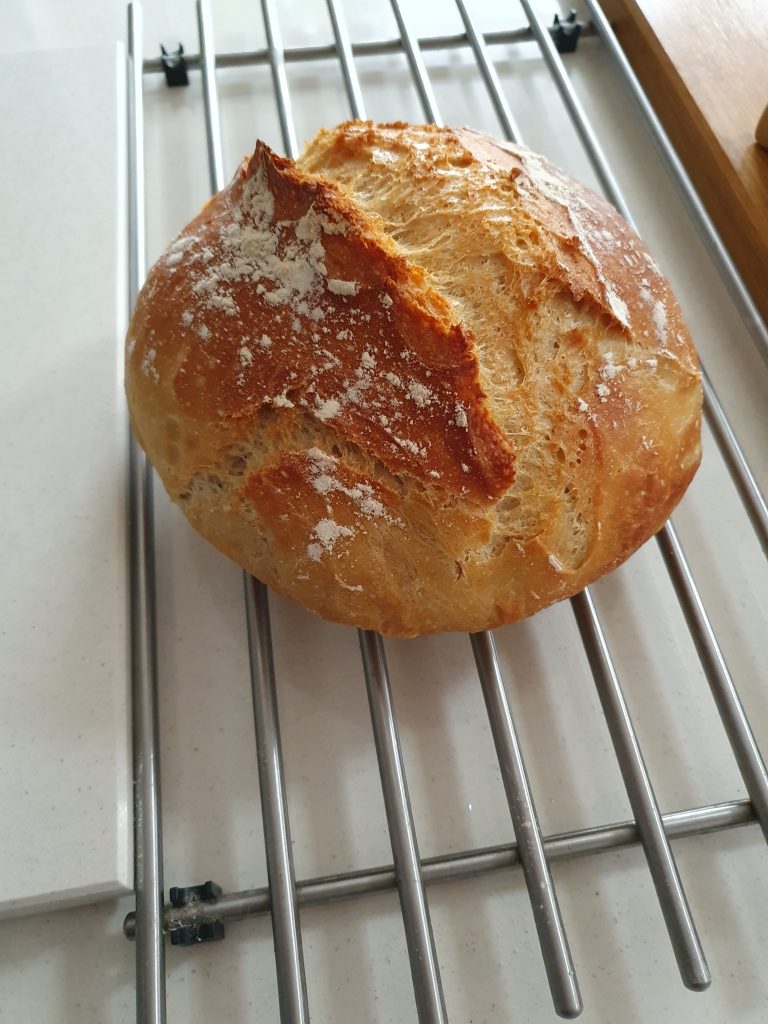
And now for one that is not so pretty……..
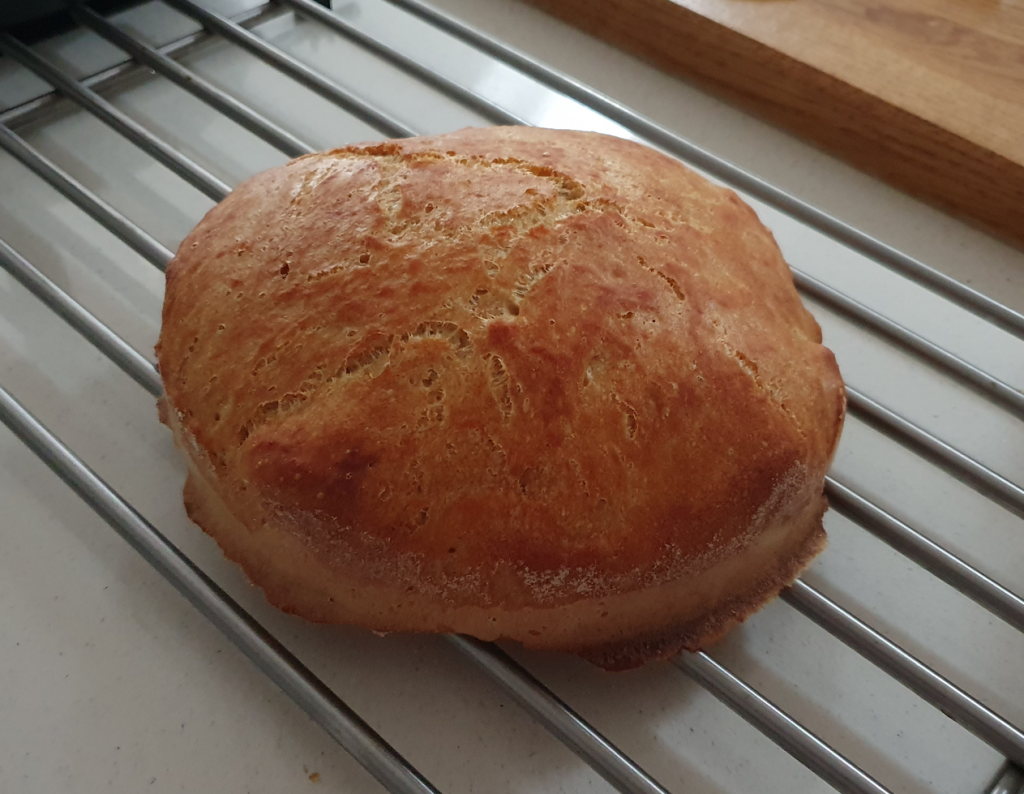
Even though it looks like a beige lump of something beige and lumpy, it was very edible. The lack of rise gave it a more dense texture, akin to a crumpet.
Anyway, I’ll write about how I got from the bottom photo to the top ones later. This will include the little changes I’ve found that make a big difference. I would be keen to hear from anyone with their tips and experiences.
Happy baking!